
The Complete Guide to Using Texture in Interior Design
Texture is one of the most transformative elements in interior design. Beyond colour and shape, it shapes how a space feels, looks, and functions, creating depth, warmth, and visual intrigue. From the softness beneath your feet to the tactile richness of furnishings, texture brings rooms to life.
For homes that blend form and function, Feltex wool carpet is the ultimate solution. Its luxurious fibres, resilient constructions, and timeless appeal offer both comfort and design versatility. Feltex wool carpets are a foundation for textured, inviting interiors.
Layering textures to create depth throughout your home
Layering textures is essential for creating a home that feels visually engaging, comfortable, and cohesive. Feltex wool carpet provides a versatile base for combining surfaces, furnishings, and décor, allowing you to experiment with contrasts and layers without overwhelming a space. The key is to start with a strong foundation and build gradually, balancing textures, colours, and materials to create a sense of depth and sophistication.
Layering textures in a way that avoids visual clutter
Start with one dominant texture—such as a wall-to-wall Feltex wool carpet—and let it act as an anchor for the room. From there, layer in furniture, textiles, and décor gradually, paying attention to scale and placement. Introducing too many competing textures at once can make a space feel chaotic, so aim for harmony by mixing tactile and visual elements thoughtfully. A plush cut pile carpet, for example, pairs beautifully with smooth timber surfaces or soft linen throws, allowing each element to stand out while contributing to a unified look.
Understanding contrasts in texture layering
Contrasting textures are what give a room personality and depth. Soft surfaces, like wool carpet or velvet cushions, juxtapose beautifully against harder surfaces such as timber furniture, ceramics, or metal accents. Feltex’s cut pile twist or loop pile carpets, with their varying textures, create subtle visual interest while remaining neutral enough to complement other materials. By balancing these contrasts, you can achieve a layered, sophisticated feel without cluttering the room.
Combining hard and soft surfaces when layering
Hard surfaces provide structure, form, and definition, while soft textures introduce warmth, comfort, and acoustic softness. Using Feltex wool carpets in twist or loop piles ensures that your floors provide a tactile, grounding layer, which absorbs sound and softens the impact of harder architectural elements. This combination not only enhances comfort but also encourages a sense of flow between different zones of a home.
Choosing a single colour palette when layering
A cohesive colour palette allows multiple textures to coexist without overwhelming the eye. Neutral-toned wool carpets, in shades ranging from warm beiges to soft greys, provide a calm base for layering throws, cushions, rugs, and furniture. This approach ensures that textures stand out subtly, letting the feel and pattern of materials shine rather than clashing with colour.
Using textures to create a multi-sensory experience
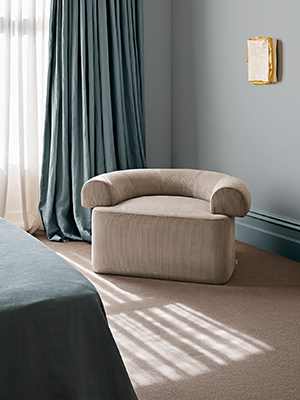
Texture is more than just visual—it’s sensory. A wool carpet underfoot invites touch and movement, while soft furnishings, woven baskets, and natural fibres engage sight and tactility. Layering these elements encourages a multi-sensory experience, making a room feel more immersive, inviting, and comfortable. Feltex wool carpet’s natural resilience and plush feel make it ideal for creating this tactile richness throughout a home.
Minimalist textures
Even minimalist spaces benefit from subtle layers of texture. By using Feltex wool carpets in looped, plush, or twisted piles, you can add visual depth without clutter. Minimalist rooms rely on restraint, so texture becomes the way to bring warmth and interest, ensuring spaces feel alive and welcoming rather than stark.
Using rugs to add dimension
Customising Feltex wool carpet into perfectly sized rugs is a sophisticated way to layer textures and define zones. A rug can anchor a seating area, highlight a furniture grouping, or soften a high-traffic corridor. This layering technique adds depth and creates focal points, while maintaining the luxury, softness, and durability of Feltex wall-to-wall carpet.
To find out if this service is available at a store near you, visit our Store Locator and contact your local retailer.
How to add textures to your home without committing to a full redesign
Adding texture doesn’t require a full renovation. Strategic choices in furnishings, textiles, and small surface treatments can dramatically transform a room’s look and feel. By combining complementary textures, you can create layers of interest and comfort, even in a single space.
Easy ways to add texture with accessories
Accessories are the simplest way to introduce new textures. Layer cushions, throws, and woven baskets to add tactile and visual interest immediately. Even small elements, such as textured lampshades or ceramics, contribute to a rich, layered feel. By placing these on top of a Feltex wool carpet base, you create a cohesive foundation that ties the room together visually and physically.
Using furniture and textiles to add depth
Mixing furniture and textiles introduces complexity without the need for a redesign. Upholstered seating, timber surfaces, and metal accents work beautifully against the soft, grounding quality of Feltex wool carpet. Combining these elements thoughtfully allows you to layer textures, add contrast, and create a harmonious, sophisticated space. Even minor additions, like a textured throw over a chair, can dramatically elevate the tactile experience of a room.
Layering textiles for comfort and style
Layering textiles involves balancing weight, pattern, and feel. Heavy fabrics, like wool or velvet, can be paired with lighter linens or cottons to add dimension. Wool carpets act as a unifying base, anchoring these layers and ensuring that they feel intentional rather than random. This approach allows you to play with different textures while maintaining cohesion and comfort.
Request complimentary samples to explore the textures and finishes that could elevate your own space.

